Shoulder surgery preparation

Preparing for Shoulder or Elbow Surgery

Whether you are preparing for shoulder surgery or elbow surgery, knowing what to expect can make the process feel more manageable. At Fife Shoulder Surgery, I provide clear guidance before your procedure so that you can plan ahead, follow important instructions and feel prepared for the day of surgery.


Shoulder Surgery Preparation: Benefits and Possible Risks

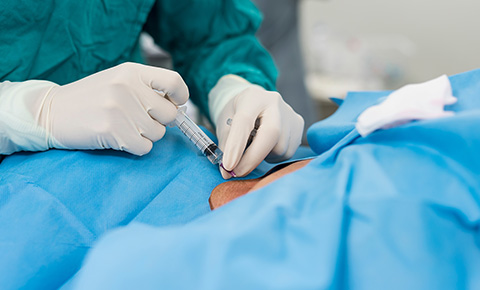
Many shoulder procedures, particularly arthroscopic operations, are performed through small incisions and may be suitable as day-case surgery. Arthroscopy can help me assess the joint accurately and, where appropriate, treat the problem during the same procedure. This may include rotator cuff repair, stabilisation surgery, treatment for frozen shoulder or removal of calcific deposits.

All surgery carries potential risks. These can include stiffness, ongoing symptoms or failure of surgery to achieve the intended improvement, infection, bleeding, blood clots, nerve or blood vessel injury, and complications related to anaesthesia. I will discuss the likely benefits, risks and alternatives relevant to your individual procedure before you decide whether to proceed.


Understanding Anaesthesia

Anaesthesia is an important part of your shoulder surgery preparation. Your anaesthetist will review your medical history, medications and any previous experiences of anaesthesia. They will explain the most appropriate anaesthetic and post-operative pain-control plan for you.


General Anaesthesia

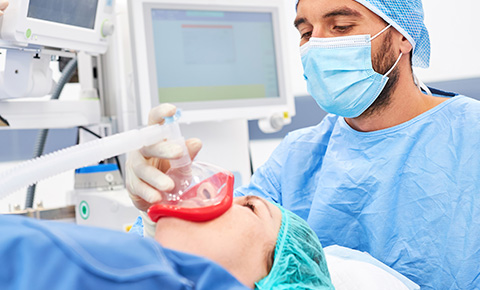
A general anaesthetic means that you will be asleep throughout the operation. You will not be aware of the procedure itself. It is commonly used for shoulder and elbow surgery and is carefully monitored by your anaesthetist throughout.


Regional Anaesthesia
and Nerve Blocks

A regional anaesthetic, often called a nerve block, may be offered alongside a general anaesthetic. It temporarily numbs the nerves around the shoulder or arm and can provide effective pain relief for several hours after surgery. As the block wears off, discomfort can increase, so it is important to begin taking the pain medication provided as instructed by your hospital team.


Your Pre-Assessment Clinic Appointment

Before your operation, you may be asked to attend a pre-assessment clinic or complete a health questionnaire. This is an important part of pre-operative shoulder surgery planning. The team will check your general health, review your regular medicines, allergies and medical conditions, and may arrange blood tests, an ECG or other investigations where needed.

Please tell the team if your health changes before surgery, including a cough, cold, chest infection, skin problem, fever or recent hospital admission. Good Shoulder surgery preparation helps reduce avoidable delays and ensures that the team can plan safely for your care.


Insurance Information for Private Patients

If you are having private treatment through Fife Shoulder Surgery, please check your insurer's requirements well before your appointment or operation. Some insurers require a referral from your GP or authorisation before treatment can begin. You should also confirm the level of cover available for consultation, imaging, surgery, anaesthesia, hospital charges and physiotherapy.

As a Shoulder surgeon in Edinburgh, I see patients with a range of insurance providers, but it remains your responsibility to confirm approval and any policy excess directly with your insurer.


What to Do in the Days Before Surgery

Care for Your Skin

Wash the shoulder, elbow and surrounding skin normally in the days before your operation. Do not shave the operation area, as shaving can cause small cuts and increase the risk of infection. Protect your skin from cuts, scratches, rashes and insect bites. Please contact the hospital if you develop broken skin near the planned operation site.


Plan Your Everyday Activities

Practice doing simple tasks using your un-operated arm, such as making a drink, using your phone, getting dressed and opening doors. This is particularly helpful when preparing for shoulder surgery, as you may need to wear a sling afterwards and will have limited use of the operated arm initially.


Prepare Your Home
and Support

Arrange help with shopping, meals, childcare and household tasks where possible. Online grocery deliveries can be useful, or family and friends may be able to assist. Prepare meals in advance and cut up food before surgery, as chopping and cutting can be difficult with one arm. Make arrangements with your employer, college or university regarding time away and your expected return.


What to Do the Day
Before Surgery

Confirm Your Admission Time

Telephone the hospital if you have not received clear instructions about your admission time. Check where you need to report, how long you may be in hospital and whether you need to bring any relevant paperwork. It is also sensible to check local public transport options, although you will need someone to take you home after surgery.

Follow Fasting Instructions Carefully

You will be given instructions about when to stop eating and drinking before your operation. Some patients may be told not to eat or drink after midnight, while others may have different fasting times depending on their admission time and medical needs. Follow the hospital's specific instructions exactly. You may find it helpful to put up a note as a reminder.

Pack What You Need

Bring your medication in its original packaging, glasses or hearing aids if needed, relevant insurance details, and comfortable clothing. For shoulder surgery preparation, old T-shirts cut up the operated side under the arm can be easier to put on over a sling. Alternatively, inexpensive loose-fitting, larger T-shirts may be more comfortable after your procedure.


What to Do on the Day of Surgery

Arrive as Instructed

Arrive at the hospital at the time provided and report to the admissions team. Do not drive yourself. You should arrange for a responsible adult, family member or friend to collect you and stay with you after a day-case procedure.


Meet Your Surgical Team

I will see you before your procedure to confirm the operation, answer any final questions and mark the correct limb or operation site. We will review the expected benefits and risks again. If you have not already signed your consent form, this will be completed before surgery.

Speak to Your Anaesthetist

Your anaesthetist will discuss the anaesthetic, nerve block where appropriate, and your pain-relief plan. Please mention any concerns, previous problems with anaesthesia, loose teeth, allergies, recent illness or changes to your medication.


Recovery After Your Operation

After surgery, you will wake in the recovery area feeling drowsy. If you have had a nerve block, your shoulder or arm may feel numb, heavy or temporarily weak. You should not usually experience severe pain immediately, but the block or local anaesthetic will wear off over the following hours.

The hospital team will monitor you, provide pain relief and make sure you are comfortable before discharge. You may be given painkillers to start taking before the nerve block wears off. Use them only as prescribed and ask the team if you are unsure about any medication. Effective Shoulder surgery preparation includes understanding that pain control, rest and following your rehabilitation advice are all important during the early stages of recovery.


What Should I Do at Home After Surgery? 

Use Ice
for Swelling

Apply an ice pack or a bag of frozen peas wrapped in a cloth to the shoulder or elbow, if advised. Do not place ice directly on the skin. Short, regular applications can help reduce swelling and discomfort.


Look After
Your Dressing

Keep the wound dressing clean and dry. You will be given instructions on when to change dressings, remove bandages or use adhesive strips. Most patients can shower after around two days, but follow the specific advice provided for your operation and wound.


Wear Your Sling
as Advised

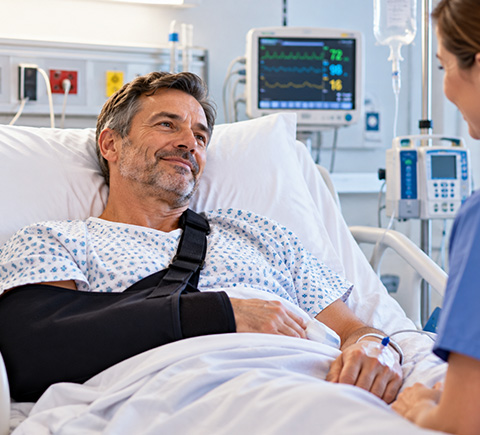
If you have had shoulder surgery, you may need to wear a sling for comfort or protection. The length of time varies depending on the procedure. Do not remove it or begin exercises beyond those recommended without discussing this with your clinical team.

​

Follow Your Rehabilitation Plan

Your recovery programme is tailored to your procedure. Some patients need physiotherapy, while others begin gentle exercises at home. Attend appointments and follow the rehabilitation guidance carefully. 


At Fife Shoulder Surgery, I will ensure you understand the next steps in your recovery and when it is safe to return to driving, work, sport and other activities.


Follow-Up After Your Surgery

A follow-up clinic appointment will usually be arranged around two to three weeks after surgery, allowing me to check your wound, review your early progress and discuss the next stage of rehabilitation. Physiotherapy can be arranged if required.

As a shoulder surgeon in Edinburgh, I recognise that recovery is different for every patient. Your return to work, education, driving and sport will depend on your procedure, symptoms, occupation and progress. Please do not rush back to demanding activities until you have been advised that it is appropriate.


When to Contact a Doctor

Contact the hospital, your GP, NHS 24 or seek urgent medical advice if you have concerns after your operation. While some pain, bruising and swelling can be expected, you should not ignore symptoms that are worsening or unusual.

Please seek advice if you experience:

Excessive or increasing pain that is not controlled by prescribed medication

Increasing swelling, redness, heat or discharge around the wound

A fever, feeling unwell or shivering


 Persistent numbness, severe tingling or colour changes in the hand

Shortness of breath, chest pain or calf pain/swelling

Any concern about your wound, dressing, sling or recovery instructions


Careful Shoulder surgery preparation and following your post-operative advice can support a smoother recovery. If you are unsure about any instruction, please contact the hospital team or Fife Shoulder Surgery for guidance.


Questions about pre-operation preperation

How should I prepare for surgery before my operation?

Prepare for shoulder or elbow surgery by attending your pre-assessment, following medication and fasting instructions, keeping the operation area free from cuts or rashes, and arranging help at home. Practise simple tasks with your un-operated arm and prepare meals, clothing and transport in advance.

What tests do I need before shoulder or elbow surgery?

Your pre-assessment team will decide which tests are needed based on your health and planned procedure. These may include blood tests, an ECG, blood pressure checks or further investigations. You will also be asked about your medical history, allergies and regular medication.

When should I stop eating and drinking before surgery?

Follow the fasting instructions given by your hospital exactly, as these vary depending on your operation time and medical needs. Some patients are asked not to eat or drink after midnight, while others may have different timings. Contact the hospital if you are unsure.

Can I take my usual medication on the morning of surgery?

Do not stop or change prescribed medication without advice. The pre-assessment or hospital team will tell you which medicines to take on the morning of surgery, particularly if you use blood thinners, diabetes medication or blood pressure tablets. Bring all medication in its original packaging.

What should I bring with me to hospital for surgery?

Bring your regular medication in original packaging, glasses or hearing aids if needed, relevant insurance details and comfortable loose-fitting clothing. For shoulder surgery, a loose or adapted T-shirt can be easier to wear over a sling after your operation.

Can I drive myself home after shoulder or elbow surgery?

No. You must not drive yourself home after shoulder or elbow surgery, particularly if you have had a general anaesthetic, sedation or nerve block. Arrange for a responsible adult to collect you and stay with you after a day-case procedure.

What should I do if I become unwell before my operation?

Contact the hospital as soon as possible if you develop a cough, cold, fever, chest infection, skin problem, broken skin near the operation site or any other change in your health. The surgical team can advise whether it is safe to proceed or whether surgery should be postponed.

How long before surgery should I stop smoking?

Stopping smoking as early as possible before surgery is beneficial, ideally at least four weeks in advance. Smoking can increase the risk of chest complications, infection and delayed wound healing. Even stopping closer to your operation may still help, so ask your GP or hospital team for support.

What happens when I arrive at hospital on the day of surgery?

On arrival, you will check in with the admissions team and meet your surgeon and anaesthetist. Your surgeon will confirm the procedure, answer final questions, mark the correct operation site and complete consent where required. Your anaesthetist will discuss your anaesthetic, nerve block and pain-relief plan before surgery.


Book a Consultation with Mr Sunil Sharma

If you are experiencing shoulder or elbow pain, reduced movement, weakness or an injury that is affecting your everyday life, I can help you understand your diagnosis and discuss the most appropriate treatment options.

As a dedicated shoulder and elbow specialist, I offer consultations for patients across Edinburgh, Fife and the surrounding area. Where appropriate, your assessment may include examination, X-rays and ultrasound to help provide a clear diagnosis and treatment plan. Book a consultation with Mr Sunil Sharma today to discuss your symptoms, explore non-surgical and surgical options, or find out more about specialist shoulder and elbow services.

Book a Consultation