Elbow Surgery in Edinburgh

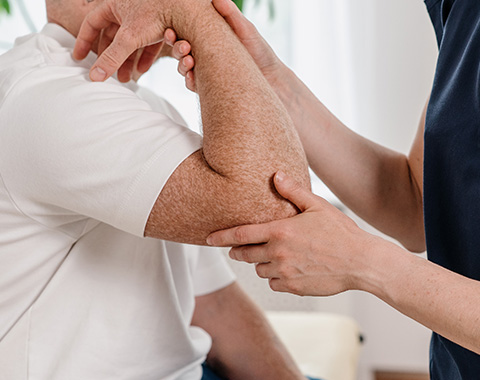
I provide specialist assessment and treatment for a wide range of elbow conditions. If pain, stiffness, weakness, numbness or instability is affecting your work, sport or everyday activities, Elbow surgery in Edinburgh may be considered where appropriate.

As an experienced Shoulder surgeon in Edinburgh with dedicated upper-limb expertise, I provide clear, individual advice to help you understand your diagnosis and treatment options.
Book an Elbow Consultation


When Might Elbow Surgery Be Recommended?

Surgery is not always the first treatment for elbow pain. Many conditions improve with physiotherapy, changes to activity, pain relief, anti-inflammatory medication or injections. However, I may recommend Elbow surgery in Edinburgh if symptoms remain significant despite appropriate non-operative treatment.

An elbow operation may also be needed for a displaced or unstable fracture, a tendon condition that has not improved, nerve compression, advanced arthritis, severe joint damage or a progressive loss of movement and function. During your consultation, I will examine your elbow and review relevant X-rays, ultrasound scans or MRI scans before discussing the most suitable next steps.


Elbow Surgery Services

At Fife Shoulder Surgery, I provide private elbow surgery in Edinburgh for patients with a range of traumatic, degenerative and tendon-related elbow problems. The right procedure will depend on your diagnosis, scan findings, symptoms, lifestyle and goals.


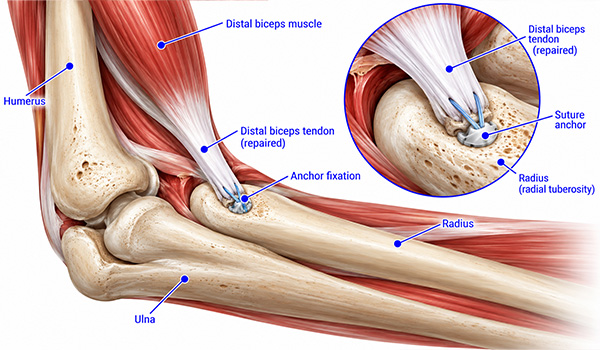
Arthroscopic Distal Biceps Tendon Repair

The distal biceps tendon attaches the biceps muscle to the forearm near the elbow. A sudden tear can cause pain, bruising and weakness. In suitable cases, minimally invasive repair may restore strength and function.

  • Tears may make lifting, bending the elbow and turning the palm upwards more difficult.
  • Surgery aims to securely reattach the tendon to the bone near the elbow.
  • Early assessment is important, followed by a period of protection, guided exercises and physiotherapy to restore movement and strength.


Elbow Fracture Fixation

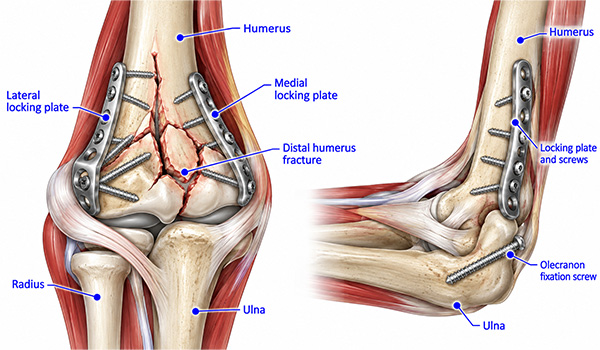
Elbow fractures can affect joint movement, alignment and stability. If a fracture is displaced, unstable or involves the joint surface, surgery may be needed to restore the anatomy of the elbow and allow safe rehabilitation.

  • Fixation may involve plates, screws, wires or other implants, depending on the fracture pattern.
  • Surgery aims to restore alignment, improve stability and support bone healing.
  • Early, guided movement and rehabilitation are often important to reduce stiffness after an elbow fracture.
    ​ 


Elbow Replacement

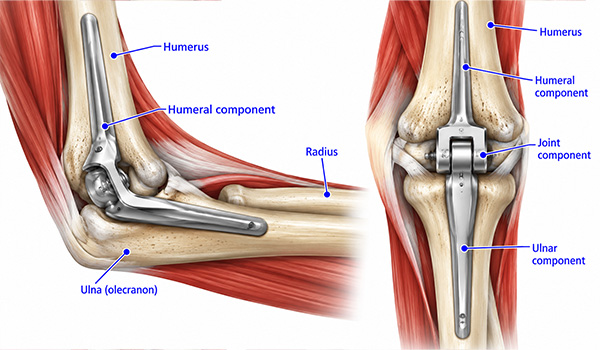
Elbow replacement may be considered for severe arthritis, complex fractures or major joint damage causing persistent pain, stiffness and disability. The damaged parts of the joint are replaced with artificial components designed to improve comfort and function.

  • It may be suitable where arthritis or injury has severely damaged the elbow joint.
  • The aim is to reduce pain and improve useful movement for day-to-day activities.
  • I will explain the expected benefits, possible risks and longer-term activity considerations following elbow replacement surgery.


Tennis and Golfer's Elbow Release

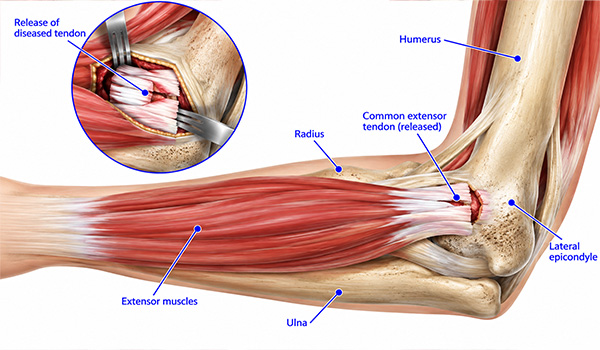
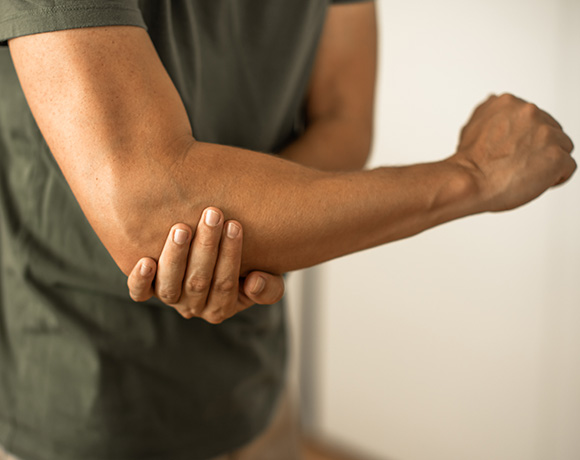
Tennis elbow and golfer's elbow are painful tendon conditions affecting the outside or inside of the elbow. Most people improve without surgery through physiotherapy, activity modification and symptom management. Tendon release may be considered when symptoms remain persistent and limiting.

  • Tennis elbow surgery may help where pain continues despite a suitable course of non-operative treatment.
  • The procedure addresses damaged tendon tissue around the elbow.
  • Recovery includes gradual exercises to restore movement, grip strength and confidence with everyday activities.


Radial Head Excision

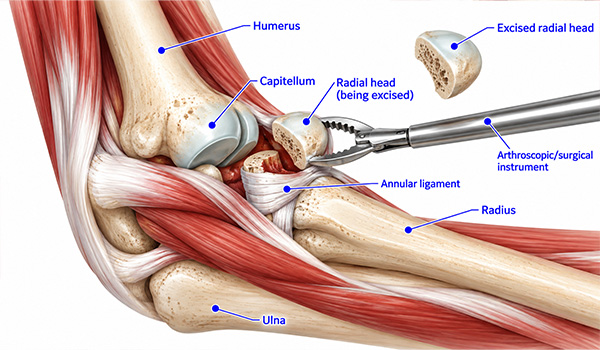
The radial head is an important part of the elbow joint and can be damaged by fracture, arthritis or previous injury. In carefully selected cases, radial head excision may help with pain or mechanical symptoms.

  • It may be considered for certain complex radial head fractures or longstanding joint damage.
  • Not every radial head injury requires surgery or excision.
  • Before recommending treatment, I carefully assess elbow stability, movement and the demands of your work, hobbies and sport.
    ​ ​


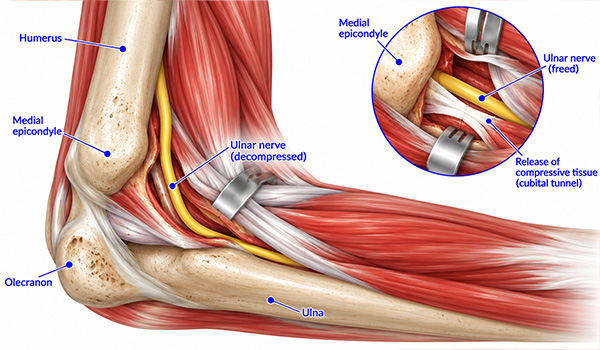
Ulnar Nerve Decompression

Ulnar nerve compression, often called cubital tunnel syndrome, can cause tingling, numbness or weakness in the ring and little fingers. Symptoms can be worse when the elbow remains bent for prolonged periods.

  • Ulnar nerve decompression creates more space around the nerve at the elbow.
  • Surgery may be considered if symptoms are persistent, worsening or associated with loss of hand strength.
  • Early assessment is important if you notice progressive numbness, reduced grip or weakness in the hand.


Why choose Mr Sunil Sharma?

Dedicated Upper-Limb Expertise

I focus specifically on shoulder and elbow conditions rather than general orthopaedics. At Fife Shoulder Surgery, patients receive care centred on the diagnosis and treatment of upper-limb problems.
 

Established Consultant Experience

I have been a Consultant Orthopaedic Surgeon since 2007, with experience managing both routine and more complex shoulder and elbow conditions.


Specialist Training
and Teaching

My specialist fellowship training, research and teaching involvement support an evidence-based approach. As a Shoulder surgeon in Edinburgh, I bring this same focused expertise to every elbow consultation.

Clear,
Personal Advice

I will take time to discuss your symptoms, examination findings, scan results and treatment choices, so you can make an informed decision at every stage.


What to Expect from Elbow Surgery

If you proceed with Elbow surgery in Edinburgh, I will explain how to prepare, what the operation involves and what to expect immediately afterwards. The type of anaesthetic, length of hospital stay and whether you need a sling, splint or dressing will vary according to the procedure.

Before private elbow surgery, we will discuss the intended benefits, potential complications and alternatives. You will also receive advice on pain relief, wound care, exercises, physiotherapy and follow-up appointments. My priority is to ensure you feel informed and supported throughout your treatment.


How Long Does It Take to
Recover from Elbow Surgery?

Recovery after Elbow surgery in Edinburgh varies considerably. It depends on the condition being treated, the operation performed, your general health and the physical demands of your job, hobbies or sport.

Minor soft-tissue procedures, such as tennis or golfer's elbow release, may allow a return to lighter activities sooner. However, elbow fracture fixation and elbow replacement surgery usually require a more gradual rehabilitation programme. Elbow stiffness can be common after injury or surgery, so following your exercises and physiotherapy plan is important.

I will advise you individually about driving, returning to work and resuming activities safely. Recovery is personal, and it is important not to compare your progress too closely with that of others.


Questions about elbow surgery in Edinburgh

When is elbow surgery recommended for persistent elbow pain?

Elbow surgery may be recommended when pain, stiffness, weakness, numbness or instability continues despite appropriate non-operative treatment, such as physiotherapy, activity modification, medication or injections. Surgery may also be needed for displaced fractures, significant tendon problems, nerve compression, advanced arthritis or progressive loss of elbow function.

What elbow problems can be treated with surgery?

Elbow surgery in Edinburgh may be used to treat displaced or unstable elbow fractures, severe arthritis, tendon conditions such as tennis or golfer’s elbow, ulnar nerve compression (cubital tunnel syndrome), selected radial head injuries and joint damage causing pain, stiffness or restricted movement.

Can surgery treat tennis elbow that has not improved with other treatments?

Yes. Most tennis elbow improves without surgery, but a tendon release procedure may be considered if symptoms remain painful and limiting after a suitable course of physiotherapy, activity modification and other non-operative treatments. Recovery normally involves gradual exercises to restore movement and grip strength.

What surgery is used to treat a torn tendon in the elbow?

The appropriate operation depends on which tendon is affected and the extent of damage. Persistent tendon pain around the inner or outer elbow may be treated with tendon release or removal of damaged tissue in selected cases. Your elbow specialist will assess your examination findings and scans before recommending treatment.

Can elbow surgery help with stiffness and restricted movement?

Surgery may help where stiffness is caused by a fracture, arthritis, joint damage or another structural problem that has not responded to rehabilitation. However, elbow stiffness can also occur after surgery, so following the recommended exercises and physiotherapy programme is an important part of recovery.

What is involved in keyhole (arthroscopic) elbow surgery?

Keyhole, or arthroscopic, elbow surgery uses a small camera and specialised instruments inserted through small skin incisions to assess or treat certain joint problems. Whether arthroscopy is suitable depends on the diagnosis, including the pattern of arthritis, loose bodies, stiffness or joint damage. This will be discussed during your consultation.

How long will I need to take off work after elbow surgery?

Time away from work varies according to the procedure, your recovery and the demands of your role. Lighter duties may be possible sooner after minor soft-tissue surgery, while fracture fixation or elbow replacement usually requires a longer, more gradual rehabilitation period. Individual advice will be provided on returning safely.

What should I expect before, during and after elbow surgery?

Before private elbow surgery, your diagnosis, scans, treatment options, benefits, risks and alternatives will be reviewed. The anaesthetic, hospital stay, sling, splint or dressing depend on the procedure. Afterwards, you will receive advice on pain relief, wound care, exercises, physiotherapy, follow-up and returning to driving, work and activities.

​


Arrange an Elbow Surgery Consultation

If elbow pain, weakness, numbness or restricted movement is affecting your quality of life, contact Fife Shoulder Surgery to arrange an appointment. I see patients seeking Elbow surgery in Edinburgh and can assess whether non-operative treatment, rehabilitation or surgery is the most appropriate option.

As a Shoulder surgeon in Edinburgh with specialist elbow experience, I will help you understand the cause of your symptoms and plan the next steps with confidence.

Book a Consultation